public reference desk

Armory Atlas

Weapon history is often flattened into spectacle. Armory Atlas treats the subject as public literacy: how museums describe artifacts, why storage and access rules matter, how laws shape responsibility, and how communities talk about dangerous objects without glamorizing them. The site does not publish instructions for use, construction, modification, tactics, or harm. It is a reading room for context, caution, and clearer vocabulary.

Classify

Object type, period, origin, materials, and museum context before opinion.

Separate

History and culture are kept apart from practical use, modification, or tactical detail.

Prevent

Storage, access control, supervision, and local rules are treated as the practical core.

Question

Every artifact is read through ethics: power, harm, memory, display, and public responsibility.

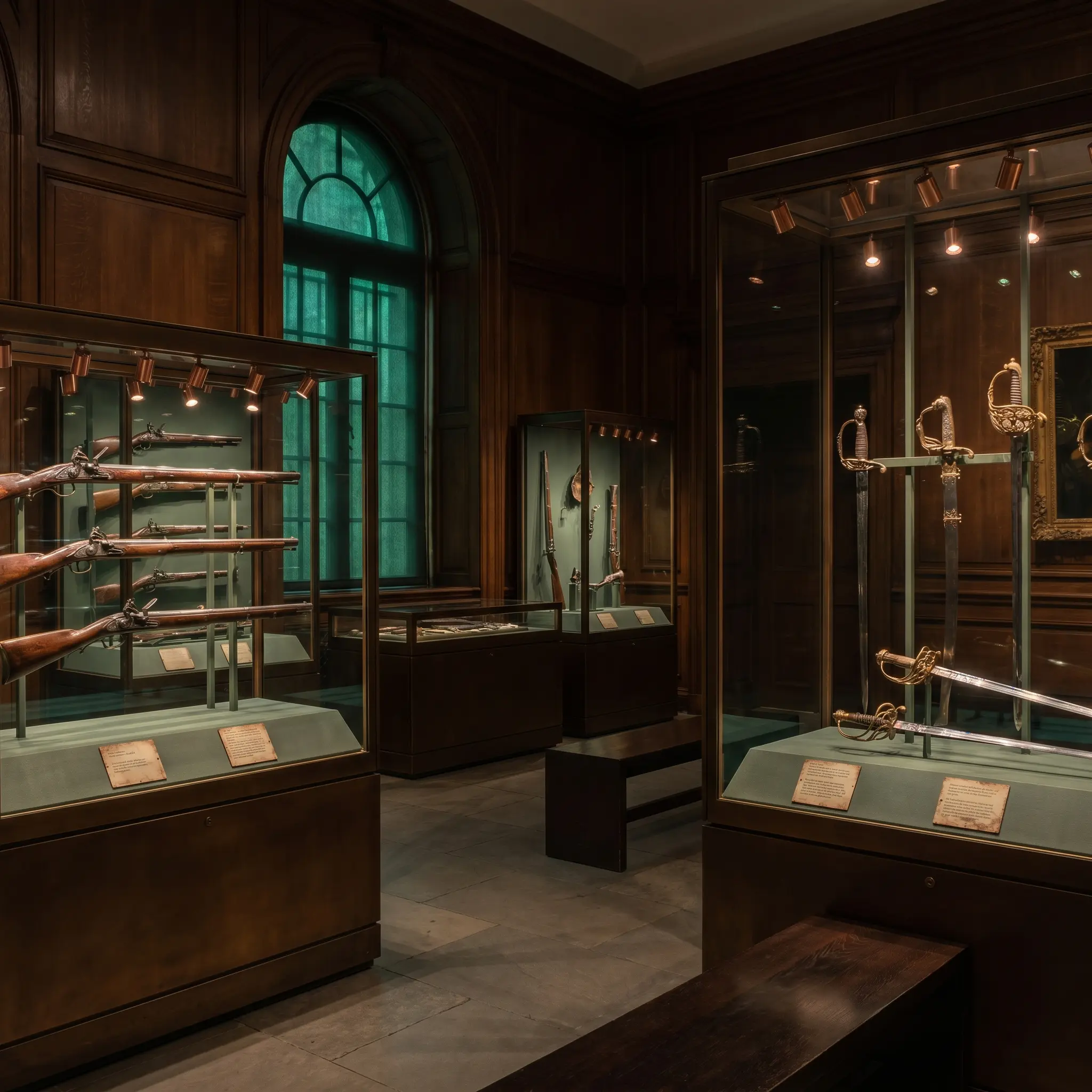
Historical arms displayed behind museum glass for public education
Objects are presented as artifacts: cataloged, secured, contextualized, and never as a demonstration.

Museum-first

classification, provenance, display ethics

Safety-first

storage principles and access prevention

Law-aware

jurisdiction changes and civic responsibility

Culture-literate

memory, media, conflict, and symbolism

What Armory Atlas covers

We write about artifact families, collecting vocabulary, museum conservation, documentary sources, storage principles, public display choices, law awareness, and the moral weight of objects made for force. A classification note may explain why an item belongs to a period or collection, but it will not describe operation, assembly, alteration, tactics, target selection, or injury.

Safety is the useful part

The practical material here is prevention-focused: secure storage, separation of access, careful documentation, adult supervision, de-escalation, and checking current local requirements. Readers who need legal or emergency guidance should use official local sources. Armory Atlas exists to make responsible questions easier to ask before a risk becomes urgent.

Ethics belongs in the same room

Weapons appear in museums, family stories, law, cinema, games, memory work, and public debate. Treating them only as engineering objects misses the human cost and civic responsibilities around them. Our pages favor sober language, clear limits, and a curator's habit of asking who is represented, who is absent, and what a display might normalize.

Editorial boundary

Armory Atlas is deliberately narrow. It welcomes historical curiosity and safety literacy while refusing material that would help someone build, modify, use, conceal, choose targets, intensify harm, or evade oversight. That boundary is not a footnote; it is the site's operating principle.

Preferred question

"What context makes this object safer to understand?"