Museum method
Classification before fascination.
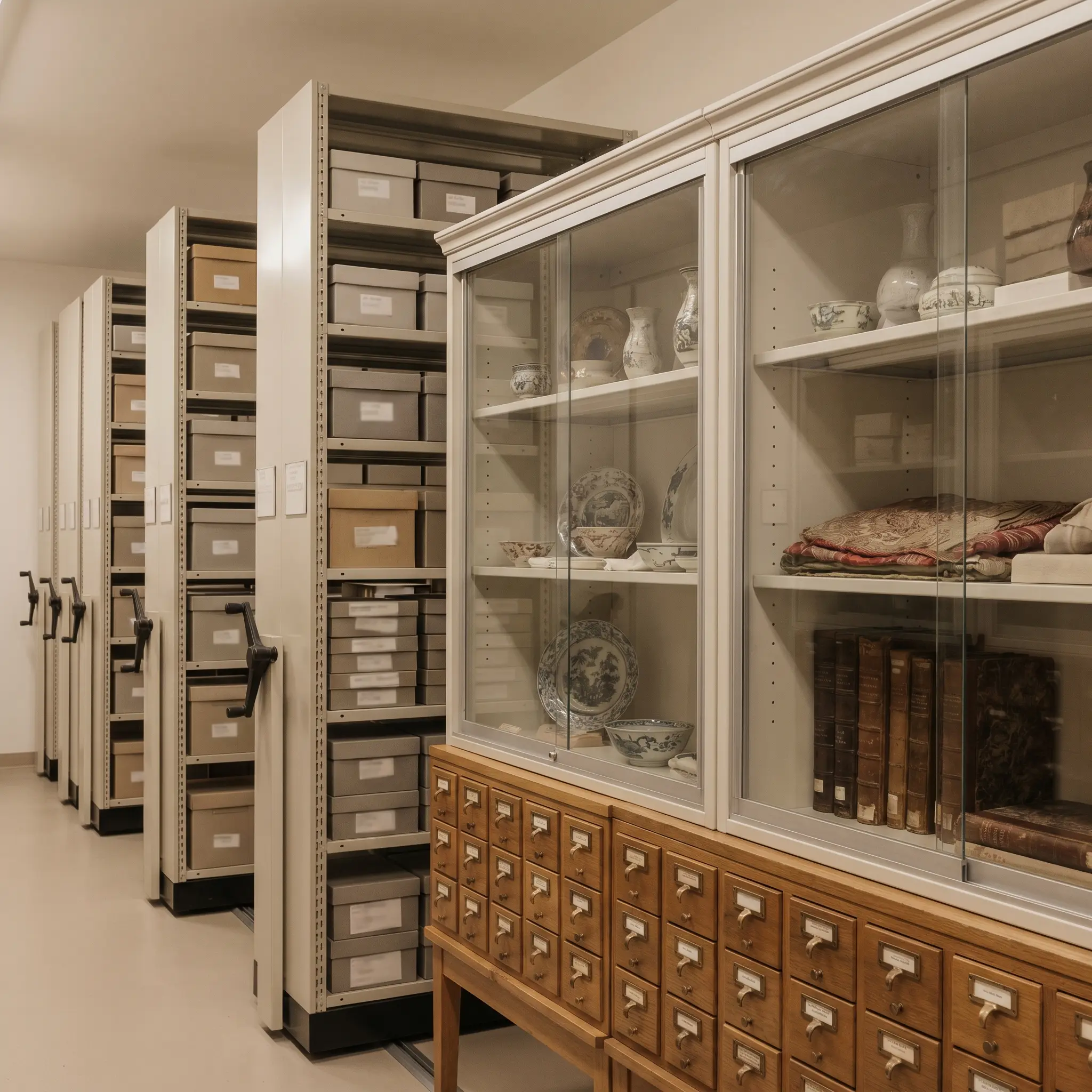
Museum work begins by slowing the object down. Instead of asking what a weapon can do, Armory Atlas asks how it is named, dated, sourced, stored, displayed, and interpreted. Classification gives readers a shared vocabulary without turning the page into a manual. Provenance asks where an item came from and what claims can be supported. Conservation asks how materials age and why public handling is restricted.
Labels matter because they guide attention. A responsible label can explain period, place, maker, material, and social setting while avoiding sensational language. It can acknowledge violence without replaying it. It can also admit uncertainty: many artifacts survive with incomplete records, contested names, or histories shaped by colonial collecting, war, policing, sport, labor, or family inheritance.
The method here is useful for students and general readers because it replaces vague admiration with accountable questions. Who used this term? What evidence supports the date? Why is this object displayed, and what context prevents display from becoming endorsement? Those are museum questions, and they keep public literacy away from operational detail.
Accession thinking
Record what is known, what is inferred, and what should remain uncertain.
Display restraint
Avoid staging, poses, or language that makes dangerous objects feel aspirational.
Material context
Discuss craft, age, and preservation without giving repair or modification instructions.
Human context
Place objects within law, conflict, labor, sport, memory, and harm prevention.